
 SD42
SD42

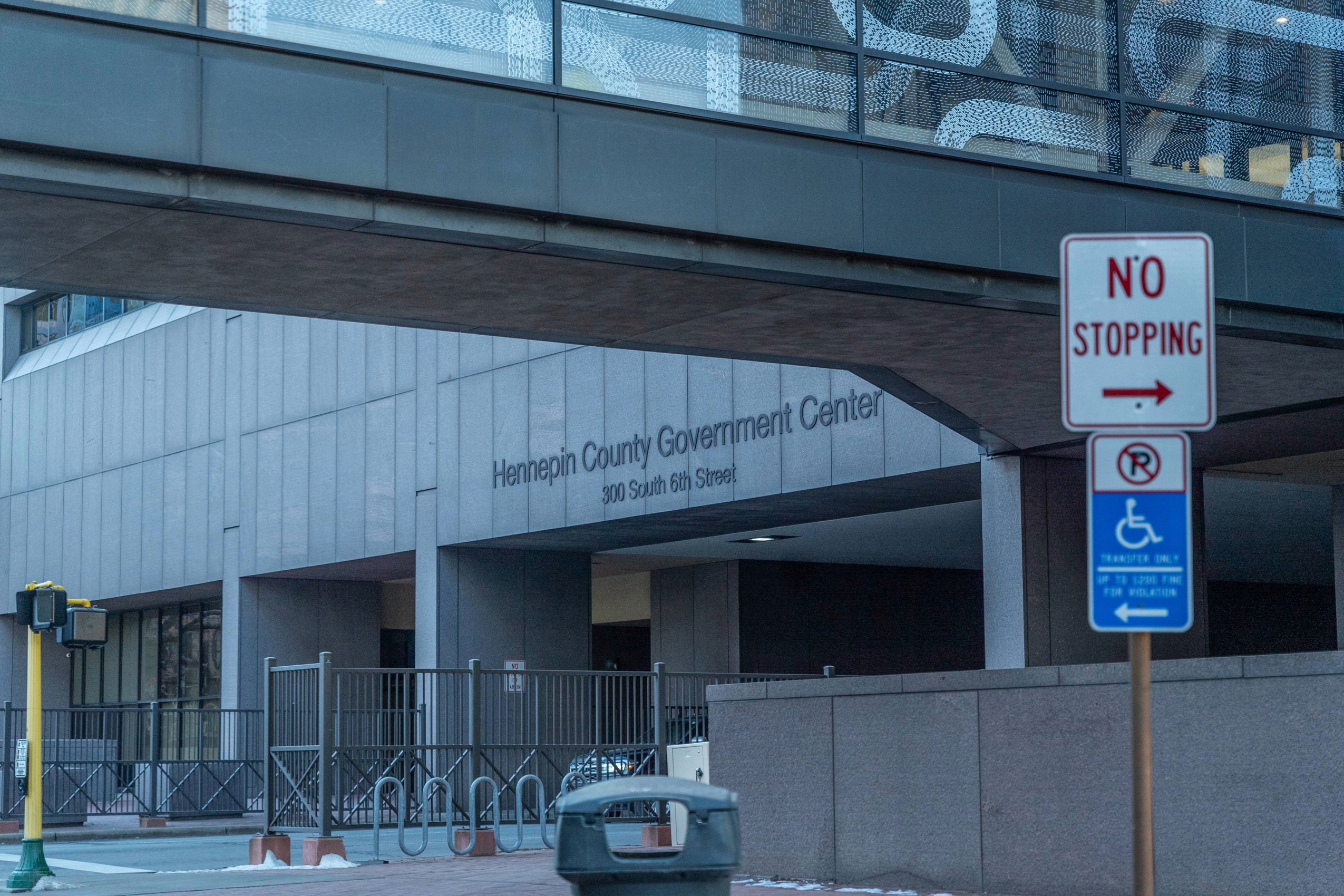
Hennepin County residents are staring down the prospect of significantly higher property taxes in 2026 as the county and cities plan on raising taxes.
When Minnesotans pay their property taxes, their city, county, and school district tax sums are all lumped together in one property tax bill. However, that total bill changes every year as jurisdictions adjust the taxes they levy.
Last month, Hennepin County announced that county property taxes could be increased by up to 7.79% next year under the county’s proposed property tax levy. This preliminary number amounts to $81.5 million. No county commissioners objected to the proposal.
Cities across Hennepin have also unveiled their preliminary tax increases. In Edina, the city proposed a 11% maximum increase. In Brooklyn Park, property taxpayers are looking at a potential 8% increase. Meanwhile, Minnetonka has proposed an increase of up to 7.935%.
These preliminary figures are proposed property tax increases and do not represent what the final increases will be; final property tax figures will not be set until December. Instead, these numbers represent the maximum limit that property taxes can be increased this year.
Jurisdictions are required to hold open meetings to inform residents about the increases.
As such, Hennepin County residents have several weeks to talk with elected officials about the tax levies. The county is currently considering a 2026 budget of $3.09 billion.
Still, property taxes will likely go up in a big way as these tax increases stack on top of one another. For example, someone in Brooklyn Park could see their county property taxes go up by 7.79% while their city property taxes increase by 8%.
These increases, plus any adjustments made by local school districts, could significantly increase the overall property tax bill that shows up in the mail. Property taxpayers will get a notice next month that states the specific amount they will pay under the proposed levy.
According to Hennepin County, the proposed 2026 budget includes roughly $1.13 billion of collected property taxes. The remainder of the county budget is funded with federal dollars, state dollars, and fees.
In a press release, Hennepin County said the budget “addresses the current uncertainties from state and federal funding while continuing investments in communities, infrastructure and employees. Further changes or reductions in state and federal funding will put further pressure on local resources.”
Carver County, which is considering an 8% maximum property tax increase, said a quarter of its proposed levy increase is a “‘Legislative Impacts’ surcharge. The surcharge reflects recent federal and state legislative changes that shifted costs and reduced funding, requiring the County to budget for significant new financial impacts.”
A previous version of this story incorrectly stated that Brooklyn Park’s proposed 2026 tax levy was a potential increase of 8.77%. This story has since been updated.
Same Story as reported by MPR
Property taxes are headed up in Minnesota. What’s behind the spike?
Property tax notices that will arrive this fall in mailboxes could be a source of sticker shock for many.
Taxes in a lot of places around Minnesota are headed up – by a lot in some cases.
Local governments are leaning on their tax levies as they set their 2026 budgets and dozens of school districts are counting on voters to approve higher taxes for building construction or to supplement classroom funding.
With a few weeks before truth-in-taxation notices must be mailed out, local leaders are bracing their residents for tax bumps. They point to federal spending cuts, rising health insurance costs and inflation as driving the increases.
“You will see this year — and we say this with no glee, we say it with utter concern — some of the highest levies that counties have put out in the last two decades,” said Matt Hilgart, deputy director of the Association of Minnesota Counties.
The higher rates aren’t locked in just yet. Between now and year’s end, local governments must go through a notification and hearing process before finalizing their budgets.
What is the property tax levy calendar?
Cities, counties and school districts abide by a budget setting calendar set out by the state.
The entities use taxes to pay for things like law enforcement, fire, parks and public works. Each year, city council and county boards assess how much money they’ll bring in through fees, municipal utility enterprise fees (like water, garbage, recycling) and other means. The levy is made up of the difference between those fees and any other funding they get, and the projected cost of running programs for the next year. Some entities also allow for a cushion for unexpected expenses (more snow plowing than expected, for instance).
During summer, local governments work to figure out their needs. By Sept. 30, they are required to put out a proposed tax levy for the following year, in this case 2026.
Between Nov. 10 and Nov. 24, property owners should get notices from their county, city and/or school district on what their estimated taxes for their specific properties will be. School districts generally have to go to voters to win approval for levy increases and many will do that this fall.
Those can change somewhat in December, when local governments hold public meetings about the proposed levies. Finally, by late December, they’re required to formally vote to approve the levy.
What factors are playing a role for counties this year?
Taxes vary from place to place as do the reasons for the rates that get set, but there are trends at play.
Hennepin County has proposed a 7.8 percent tax levy increase and neighboring Ramsey County is proposing a 9.75 percent increase. Freeborn County has proposed a 15 percent increase, while St. Louis County proposed a 12.4 percent tax levy increase.
Rising costs of construction and construction materials, higher labor costs and higher health care costs are all factors.
For counties, there are also budgetary changes that stem from federal changes. Counties do a lot of the work to administer social services. With recently approved spending changes at the federal level, costs are rolling downhill.
For instance, the Supplemental Nutrition Assistance Program, commonly called SNAP, is one source of concern. Counties are expecting to shoulder more costs starting in 2027. They also are bracing for increased cost sharing for some Medicaid programs. At the same time, they could be forced to add employees to administer new enrollment verification steps for Medicaid and SNAP programs.
How about Minnesota cities?
Cities have their own challenges.
"Just like every family, cities are facing much the same thing,” said Pierre Willette with the League of Minnesota Cities. “The cost of energy, the cost of labor, all the things that cities buy and the services they provide. They're just getting more and more expensive, just like everything else.”
St. Paul is proposing a 5.3 percent tax levy increase, while Minneapolis has a proposed levy hike of 7.8 percent. Brainerd is looking at an 8 percent tax levy increase, while Thief River Falls has proposed a 21.8 percent increase.
Those numbers don’t necessarily represent the actual property tax increase a city or county will put directly on property owners.
Changes to a city or county’s tax base can play a large factor in how those increases are disbursed.
How does a city or county’s tax base factor in?
It matters if there are large population gains or losses or if there are changes to the makeup of commercial or residential property.
Building valuations also play a key role for commercial properties. Growing cities and counties might see population increases that will spread the tax base over a larger number of property owners.
In St. Paul, building valuations have dropped significantly over the last five years — some by as much as 25 percent. That means the city is getting less money from downtown property taxes than it used to.
"Some commercial properties are not carrying as much as the value of the levy anymore, because they've been assessed at a lower value,” Willette said. “So that levy gets spread onto every property. And I think homeowners are picking up more and more of the tab because of the devaluation of some commercial properties.”
What options do property owners have?
When the property tax letters or postcards get sent out to property owners, they’ll include the estimated taxes owed for the following year.
The notices will include information on the public truth-in-taxation meetings that each government entity will have to discuss the proposed budgets and levies. There are opportunities for the public to speak at those meetings about the budget and proposed tax levies, but not for property specific issues about assessments.
For assessments, that works on a different calendar. Under state law, properties should be inspected on-site by counties at least once every five years. When property owners get their assessments, they can call a county assessor to try to resolve the issue. If a property has not been recently inspected, the owner can ask the assessor to review the property.
Counties have a specific window to appeal the assessment at county board of appeal and equalization meetings held between April and June (check with a county where the property is for specific dates).
People can also take their case to the Minnesota Tax Court.
MPR News correspondent Dana Ferguson contributed to this story.